

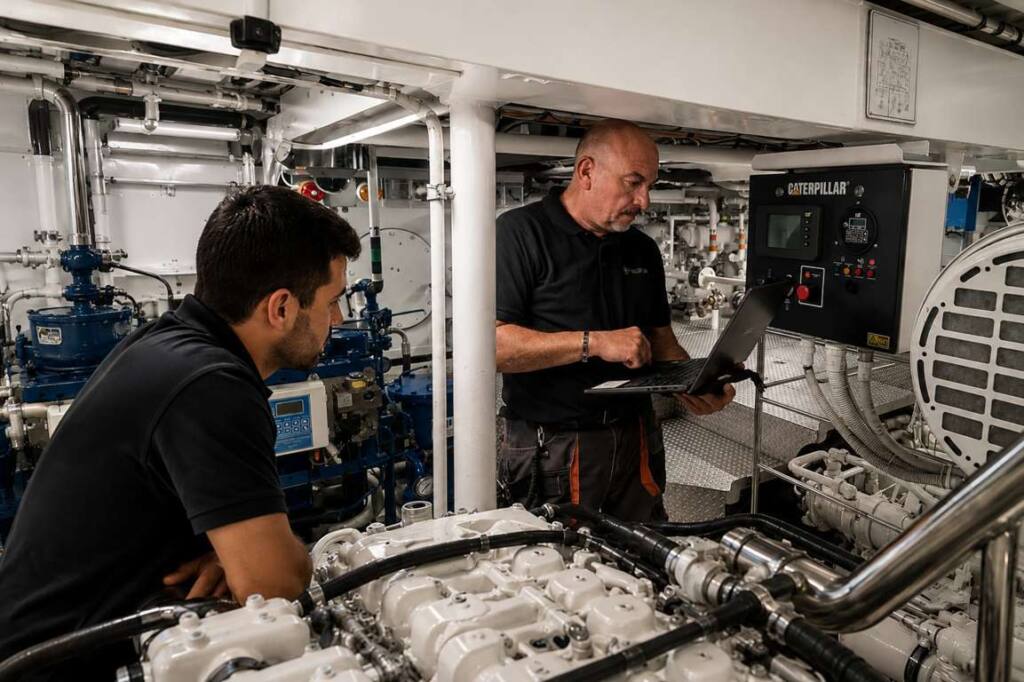
Why Marine Technical Services Are Essential for Superyacht Performance
Discover why marine technical services are essential for superyacht performance, from vessel maintenance and inspections to technical yacht support.
Discover why marine technical services are essential for superyacht performance, from vessel maintenance and inspections to technical yacht support.
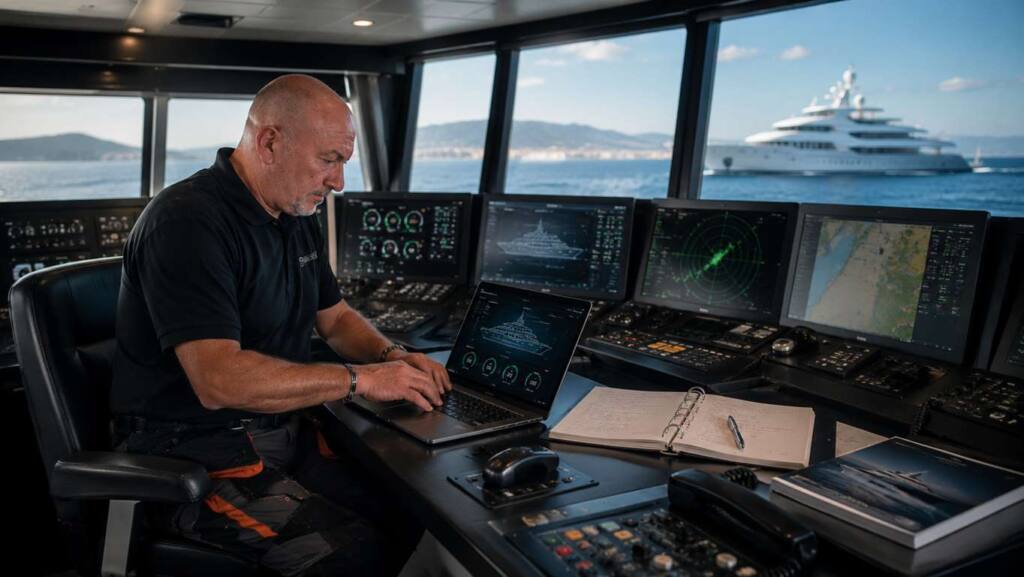
Explore how mega yacht technical management is evolving in 2026, from compliance and sustainability to refits, digital monitoring and expert consultancy.

Discover the safety risks, design limitations and operational challenges facing the luxury yachting industry.

Southern Ocean Marine Engineering has announced a strategic collaboration with the interior yacht design studio Atelier Cala, creating a unified approach that combines technical consultancy and interior design for refit and new-build superyacht projects.

Hydrogen fuel cells are reshaping the maritime industry, particularly within the luxury mega yacht sector, where sustainability and performance are becoming equally important. Unlike conventional diesel engines, hydrogen fuel cells generate electricity through an electrochemical reaction between hydrogen and oxygen, producing only water and heat as byproducts, with no harmful emissions.

Compare conventional, Sharrow and toroidal ship propellers. Learn how each affects efficiency, cavitation, noise and retrofitting decisions.

Learn how external technical management enhances yacht performance, safety, and operational efficiency.

Explore the benefits and types of wind-assisted propulsion systems (eolic propulsion) for commercial vessels and mega yachts. Learn how these technologies reduce fuel consumption, emissions, and enhance sustainability while meeting decarbonization targets.

Shore power (or cold ironing) is revolutionizing ports and marinas by allowing docked ships to switch off diesel engines and plug into onshore electricity. This simple shift slashes emissions, reduces noise, and supports greener shipping—key steps toward a sustainable maritime industry.

Southern Ocean Marine Engineering is delighted to announce our successful participation in the 2025 International Boat Show, where we were proudly joined by our valued customers and friends.
