

It is an emerging technology that reduces fuel consumption and emissions in commercial vessels and mega yachts by harnessing the power of the wind. Here’s a comprehensive overview tailored to your interest in its application to these two categories:
What is Eolic Propulsion?
“Eolic” isn’t a standard technical term. Still, it’s likely a variation or misspelling of “Aeolic” (from Aeolus, the Greek god of wind), or simply a term referring to wind-based propulsion.
Eolic/wind-assisted propulsion systems harness wind energy to provide auxiliary thrust. These systems are typically retrofits or integrated features on large ships and luxury yachts.
Types of Wind-Assisted Propulsion Systems
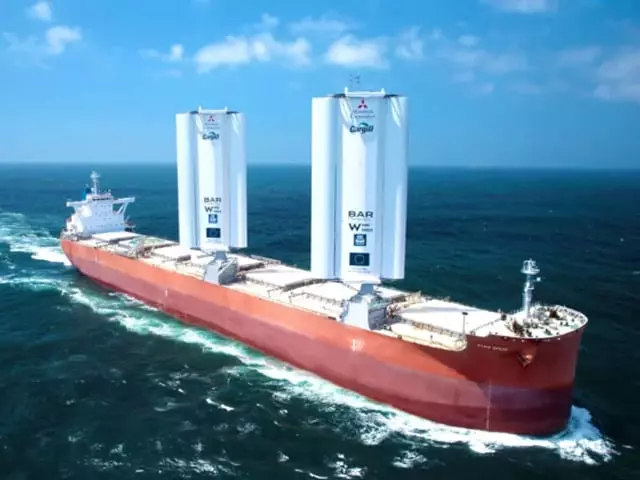
1. Rigid Sails / Wing Sails
- Solid or semi-rigid airfoil-like structures.
- Automatically adjust to wind direction for optimal thrust.
- Used in cargo ships like Ocean Bird and Shofu Maru.
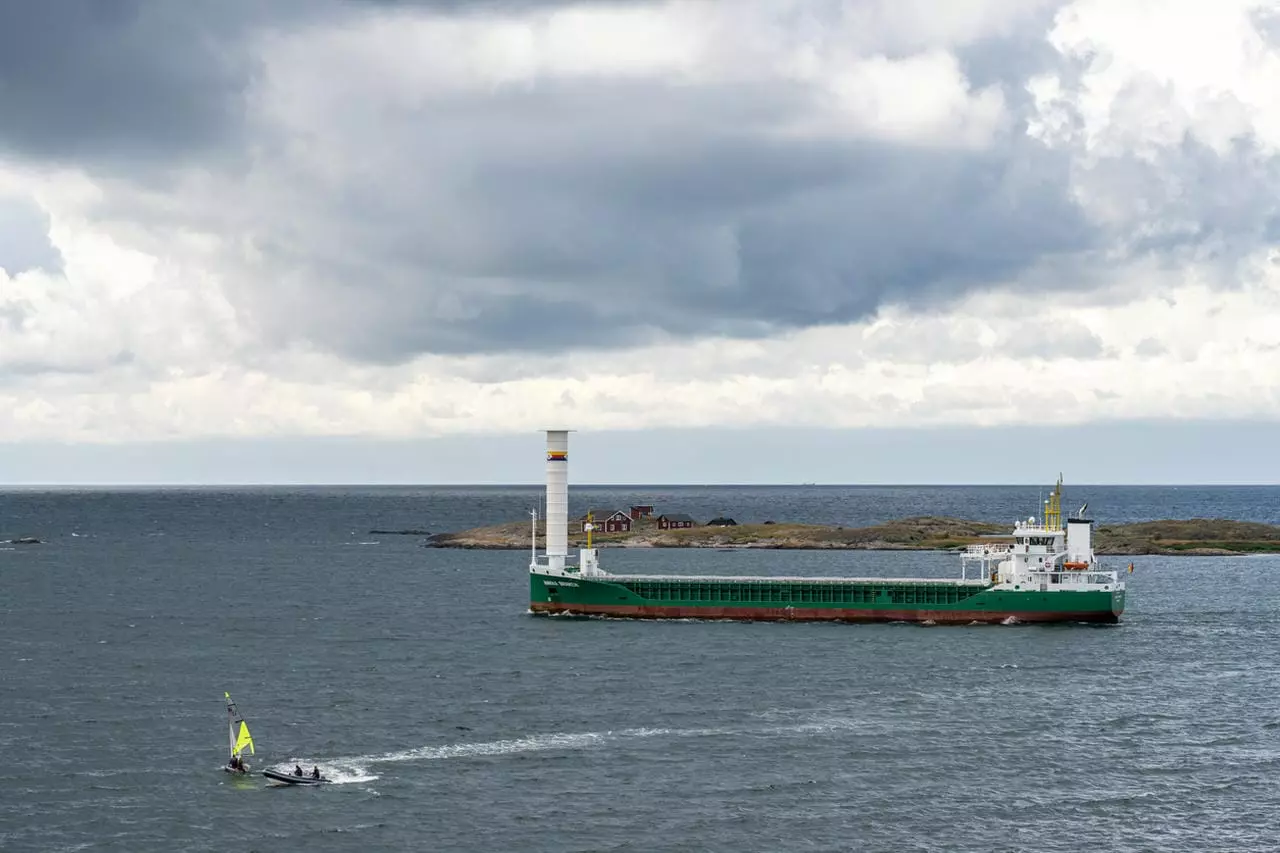
2. Rotor Sails (Flettner Rotors)
- Tall rotating cylinders using the Magnus effect.
- Proven to reduce fuel consumption by 5–20%.
- Used by companies like Norsepower.
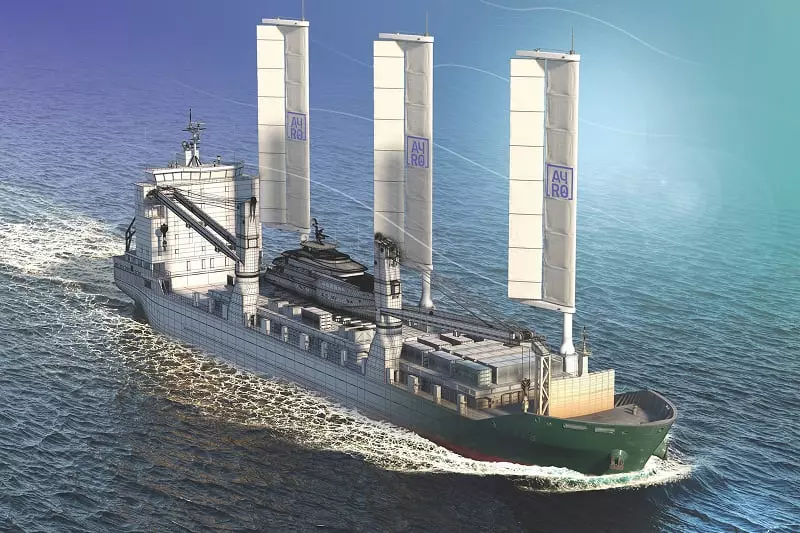
3. Soft Sails / Kite Sails
- Tethered sails or high-altitude kites.
- Can generate large thrust with minimal deck space.
- Used by Airseas (Seawing system on Airbus’ chartered vessel).
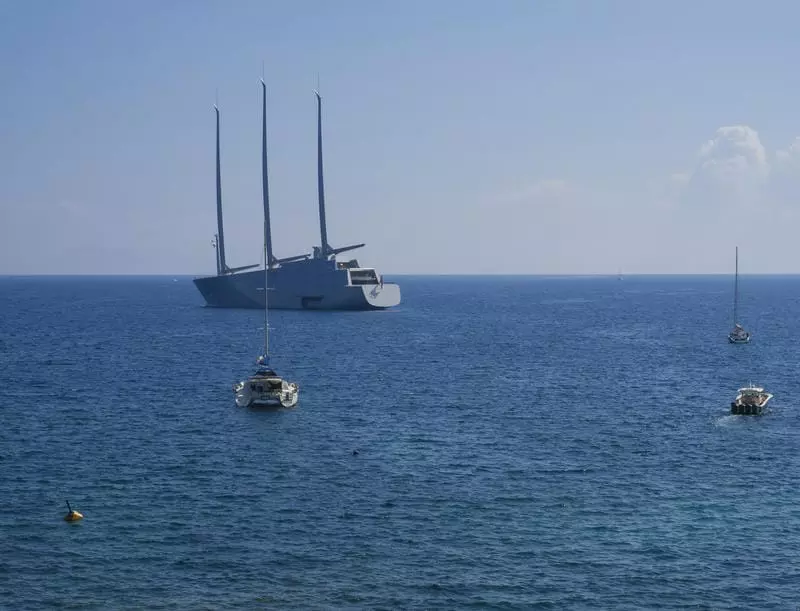
4. DynaRigs
- Freestanding, automated masts with square sails.
- Used on mega yachts like Maltese Falcon and Black Pearl.
- Elegant and effective for luxury vessels.
Benefits for Commercial Vessels
Fuel Savings
5–30% reduction depending on wind conditions and system type.
Emissions Reduction
Helps meet IMO decarbonization targets.
Regulatory Compliance
Anticipating stricter CO₂ regulations.
ROI
Many systems offer a payback period of 4–7 years.
Benefits for Mega Yachts
Eco-Luxury Appeal
Attracts owners seeking sustainability and innovation.
Extended Range
Reduces dependence on diesel or hybrid systems.
Aesthetic Appeal
Systems like DynaRigs are both functional and visually iconic.
Quiet Operation
Less reliance on noisy engines during cruising.
Challenges & Considerations
Notable Examples
Commercial Ships
- Shofu Maru: Mitsui O.S.K. Lines’ bulk carrier with Wind Challenger rigid sail.
- MV Afros: Bulk carrier with Flettner rotors.
Mega Yachts
- Maltese Falcon: First large-scale DynaRig application.
- Black Pearl: Uses DynaRig with regenerative energy capture.
- Oceanco’s Concept Aeolus: Concept yacht inspired by wind propulsion.


Future Outlook
Wind-assisted propulsion is expected to grow significantly due to:
- IMO’s 2030/2050 carbon goals.
- Rising fuel prices and carbon taxes.
- Technological improvements in automation, materials, and AI for sail management.
Partner with Southern Ocean Marine Engineering Solutions
At Southern Ocean Marine Engineering, we are committed to helping companies meet carbon emission targets in full compliance with current and upcoming regulations. Our expert technical managers are available 24/7 to provide tailored advice based on your vessel’s specifications and operational profile.
Don’t hesitate to get in touch via email or submit an enquiry through our website — we’re here to guide you toward the most efficient, sustainable solution for your fleet.
